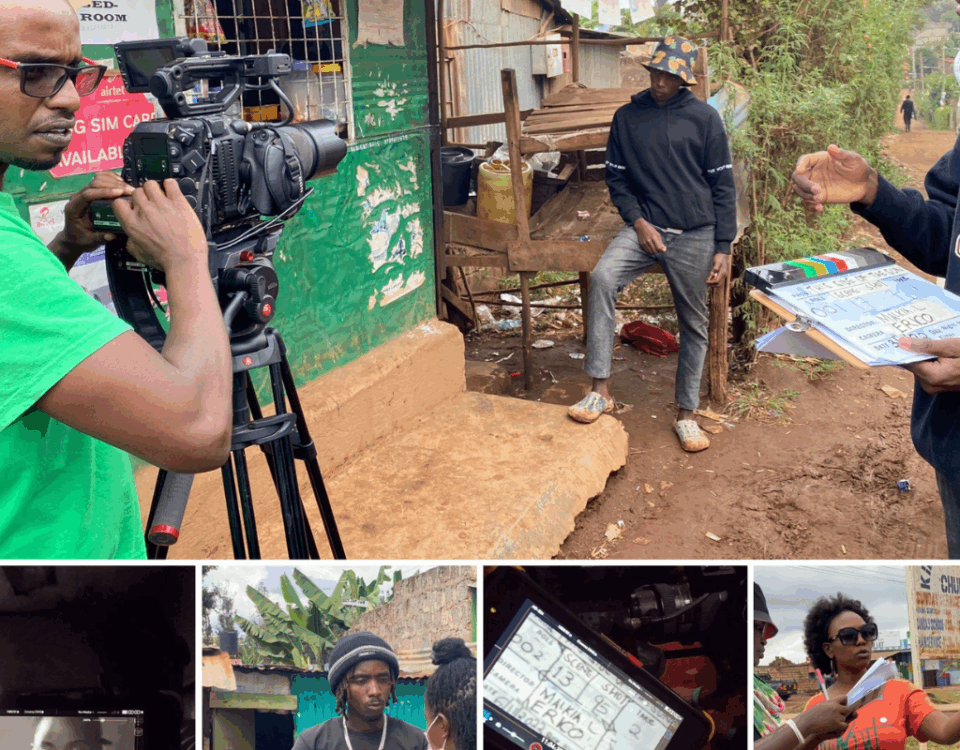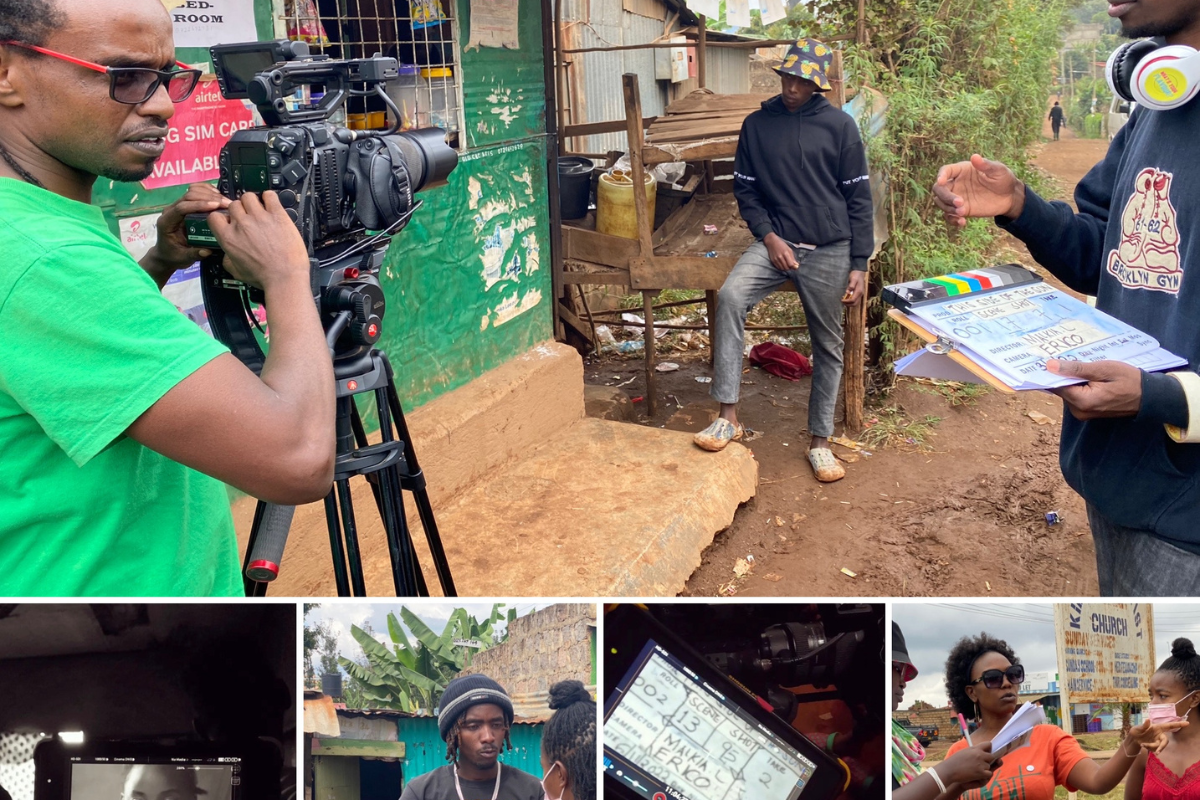

The Delimi PROSPER Project is a community‑based initiative focused on peacebuilding and environmental resilience in Plateau and Kaduna States, Nigeria. Named after the Delimi River, which flows through communities often affected by conflict, the project symbolizes renewal, rootedness, and the possibility of shared prosperity. It is designed to address the interconnected challenges of resource competition, climate change, and intercommunal tensions.
The project engages youth as central actors in transforming their communities. Through training programs, workshops, and mentorship, young leaders are equipped with skills in conflict resolution, environmental stewardship, and storytelling. These youth then design and implement micro‑projects that address local challenges, from water management to interfaith dialogue. By placing agency in the hands of young people, the Delimi PROSPER Project ensures that solutions are both locally relevant and sustainable.
Environmental resilience is a key pillar of the initiative. Communities are supported to adapt to climate impacts through sustainable farming practices, reforestation efforts, and water conservation strategies. These interventions not only reduce the risk of resource‑based conflict but also create new opportunities for livelihoods and cooperation. The project’s emphasis on ecological renewal reflects Engaging Borders SRD’s broader commitment to regenerative development.
The Delimi PROSPER Project also fosters dialogue across divides. By bringing together traditional leaders, faith communities, and governance actors, it creates spaces for open conversation and collaborative problem‑solving. These dialogues are complemented by creative outputs—stories, films, and digital campaigns—that amplify messages of peace and resilience.
In essence, the Delimi PROSPER Project is a model for integrated peacebuilding. It demonstrates how environmental sustainability, youth leadership, and cultural expression can be woven together to transform fragile contexts. By rooting peace in the land itself, the project offers a vision of communities not as flashpoints of conflict but as ecosystems of opportunity.
It was implemented with support from the FCDO SPRiNG Project.